Nevada Lung Cancer Screening Toolkit
11 November, 2023
SHARE


This toolkit is designed to assist health systems in building, maintaining, and increasing patient uptake of a lung cancer screening program using low dose computed tomography (LDCT) as recommended by the United States Preventive Services Task Force (USPSTF).
Content contained in this toolkit is the culmination of published and publicly available information on lung cancer screening programs as curated by the Nevada Lung Cancer Collaborative. Additionally, experiences from real-world lung cancer screening implementation experts and researchers have been incorporated where possible. Attachments include promotional brochures, clinic resources, billing resources, and sample follow-up letters.
A LDCT lung screening program is a comprehensive effort necessitating the collaboration of the full medical team. This toolkit was designed for a variety of health care professionals including, but not limited to:
- Practice planners and administrators in primary care and community health settings.
- Practice planners and administrators at radiology and imaging centers.
- Medical billing specialists.
- Physicians, non-physician providers, and auxiliary personnel.
Lung cancer screening champions.
You May Also Like
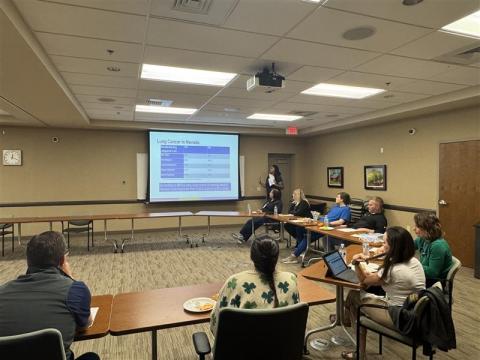
Make lung cancer screening a stronger part of your practice with free, personalized support
10.07.2026
Identifying eligible patients, making referrals and helping people overcome barriers to lung cancer screening takes coordination.
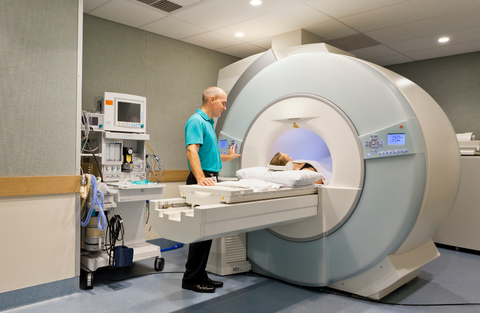
Years after he quit smoking, a lung cancer scan saved his life
08.26.2026
By Paula Span, KFF Health News

2026 Lung Cancer Awareness Resources
08.20.2026
November is Lung Cancer Awareness Month, a time to highlight the importance of prevention, early detection, and support for those affected by the