Breaking down barriers to cancer screening at the Nevada Cancer Control Summit
08 August, 2026
SHARE


Cancer screening saves lives, but knowing that screening is important doesn’t necessarily make it easy to get screened.
Stigma, past experiences with health care, access challenges, and confusion about screening recommendations can all stand between someone and potentially lifesaving cancer screening.
At the 2026 Nevada Cancer Control Summit, on September 18 in Reno, Nevada, the session “Enhancing Participation in Cancer Screening” will take a closer look at some of these barriers — and, more importantly, what we can do about them.

The 90-minute interactive session will combine expert presentations with roundtable discussions, giving attendees an opportunity to learn about barriers affecting three different types of cancer screening and work together to identify strategies for reaching more Nevadans.
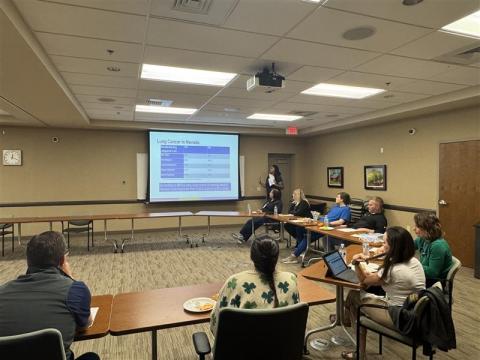
Lung cancer screening can detect cancer at an earlier stage, when treatment may be more effective. Yet stigma surrounding smoking and lung cancer can create an additional barrier for people who may be eligible for screening. Jamie Studts, PhD, of the University of Colorado Anschutz, will discuss the role stigma can play in lung cancer screening and how health care professionals and public health partners can communicate about lung cancer risk without blame or judgment. The discussion will encourage attendees to consider how language, outreach materials, conversations about smoking history and health care interactions can either reinforce stigma or help reduce it.

For some people, the traditional process of cervical cancer screening can itself be a barrier. Access to care, discomfort with pelvic exams, previous trauma and other personal circumstances can contribute to people delaying or avoiding screening. Deanna Kepka, PhD, MPH, of Huntsman Cancer Institute, will explore self-collection for cervical cancer screening and how giving patients another screening option could help reach people who otherwise may not participate. Her presentation will provide a starting point for a broader conversation about patient choice, trauma-informed approaches to screening and how health systems and community organizations can help people understand and access available screening options.

Unlike some cancer screenings with recommendations that can be relatively straightforward for patients, prostate cancer screening often requires an individualized conversation about potential benefits and harms. Brandon Dyer, MD, of Oncology Nevada, will discuss prostate cancer screening and help attendees better understand the recommendations surrounding prostate-specific antigen, or PSA, testing. The discussion will explore how providers and public health professionals can communicate recommendations in understandable ways, support shared decision-making and help patients consider their individual risk when deciding whether screening is right for them.
Following the presentations, attendees will move into roundtable discussions focused on each of the three screening topics. Rather than simply identifying barriers, participants will be challenged to think about solutions. They'll also consider what changes they can make within their own organizations, health systems, and communities to put those ideas into practice.
By bringing together experts and cancer control partners from across Nevada, this Nevada Cancer Control Summit session aims to move that conversation toward practical strategies that can help more Nevadans get the cancer screenings they need.
Registration for the Nevada Cancer Control Summit is open and is just $75 through August 19, increasing to $95. The one-day conference includes continuing education, networking, exhibits, a poster and networking session, and awards. Details and registration: https://www.nevadacancercoalition.org/summit
You May Also Like
Make lung cancer screening a stronger part of your practice with free, personalized support
10.07.2026
Identifying eligible patients, making referrals and helping people overcome barriers to lung cancer screening takes coordination.

2026 Lung Cancer Awareness Resources
08.20.2026
November is Lung Cancer Awareness Month, a time to highlight the importance of prevention, early detection, and support for those affected by the

Bringing health where it matters: Inside Washoe County's Family Health Festivals
07.07.2026
What happens when health care comes to the places where people already live, work and gather?