Cancer in Nevada: What the latest national data means for prevention, early detection and survivorship
01 January, 2026
SHARE


Each year, the American Cancer Society releases its annual Cancer Facts & Figures, offering a snapshot of where the nation is making progress against cancer—and where gaps remain. The 2026 report brings encouraging news nationally: cancer death rates continue to decline, and more people are surviving cancer than ever before. At the same time, the data make clear that prevention, early detection, and support for survivors and caregivers remain urgent priorities, especially here in Nevada.
The cancer burden in Nevada
In 2026, an estimated 18,110 Nevadans will be diagnosed with cancer, and thousands more will be living with a history of the disease. The most commonly diagnosed cancers in Nevada mirror national trends, with breast, prostate, lung, and colorectal cancers accounting for a large share of cases. Lung cancer remains the leading cause of cancer death, despite steady declines over time driven largely by reductions in smoking.
These numbers are not just statistics—they represent families, workplaces, and communities across our state. Nevada’s rapidly growing and aging population, combined with persistent barriers to health care access in rural and underserved areas, makes prevention and early detection especially critical.
One of the clearest messages from the 2026 data is that a large share of cancers are linked to modifiable risk factors. Tobacco use remains the leading cause of preventable cancer deaths, particularly for lung cancer. Other factors—such as excess body weight, physical inactivity, alcohol use, ultraviolet radiation exposure, and certain infections like HPV—also play a significant role.
In Nevada, continued investment in tobacco prevention and cessation, sun safety education, HPV vaccination, healthy nutrition, and opportunities for physical activity can reduce cancer risk before it starts. Prevention efforts are especially important for younger Nevadans, as national data show rising incidence for some cancers among adults under 50.

Early detection saves lives—but access is uneven
The report underscores how early detection and screening have driven major improvements in cancer survival. When cancers such as breast, colorectal, cervical, and lung cancer are found early, treatment is more effective and survival rates are significantly higher.
Yet screening rates have not fully rebounded since the COVID-19 pandemic, and access remains uneven—particularly for people of color, uninsured Nevadans, and those living in rural communities. Expanding access to evidence-based screening, supporting community health providers, and reducing cost and transportation barriers are essential steps to ensure early detection reaches everyone in Nevada.
Survivors and caregivers need support—long after treatment ends
Thanks to advances in detection and treatment, more Nevadans are living longer after a cancer diagnosis. Nationally, the five-year survival rate for all cancers combined has reached 70%, a major milestone.
But survivorship often comes with lasting physical, emotional, and financial challenges.
Cancer survivors may face long-term side effects, mental health concerns, and difficulty returning to work. Caregivers—often family members—frequently experience stress, lost income, and burnout while navigating complex care systems. These realities highlight the need for comprehensive survivor and caregiver supports, including access to follow-up care, mental health services, patient navigation, and workplace protections.
Moving forward together in Nevada
The latest cancer statistics show what is possible when prevention, early detection, research, and care work together. For Nevada, the path forward includes:
- Strengthening prevention efforts that reduce cancer risk statewide
- Expanding equitable access to cancer screening and early detection
- Investing in survivorship and caregiver support services
- Addressing persistent disparities in cancer outcomes across communities
At Nevada Cancer Coalition, we believe that reducing the burden of cancer means supporting people at every stage—from prevention to diagnosis, treatment, survivorship, and caregiving. The data are clear: with continued commitment and collaboration, we can save lives and improve quality of life for all Nevadans affected by cancer.
Nevadans are working together to address these cancer control issues through the 2026-2030 Nevada Cancer Plan, a roadmap of strategies anyone can use. Review the plan and consider adopting one or more strategies.
This article created with the assistance of AI and edited by NCC staff. This is for informational purposes only. For medical advice or diagnosis, consult a professional.
You May Also Like
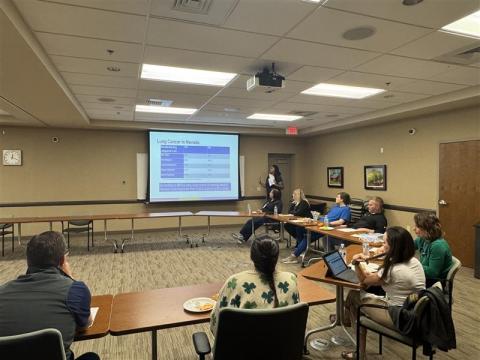
Make lung cancer screening a stronger part of your practice with free, personalized support
10.07.2026
Identifying eligible patients, making referrals and helping people overcome barriers to lung cancer screening takes coordination.
2026 Lung Cancer Awareness Resources
08.20.2026
November is Lung Cancer Awareness Month, a time to highlight the importance of prevention, early detection, and support for those affected by the

Breaking down barriers to cancer screening at the Nevada Cancer Control Summit
08.14.2026
Cancer screening saves lives, but knowing that screening is important doesn’t necessarily make it easy to get screened.