Screening can find lung cancer early—and
early matters.

When lung cancer is caught early, it’s easier to treat and survive, thanks to recent advances in medicine. Screening can detect cancer before you even have symptoms. You may qualify for screening if you are age 50–80 AND:
- Currently smoke or smoked in the last 15 years
- Have a 20-pack-year smoking history
Pack Years = Average Packs Per Day ✕ Years Smoked - Do not have any signs or symptoms of lung cancer
Take the quiz below to see if you may qualify. It only takes a few minutes and can help you understand your risk factors and next steps.
Next Steps
If you qualify for a low-dose lung CT scan
Even if you don’t have symptoms, you may be at risk for lung cancer.
Find a screening location near you.
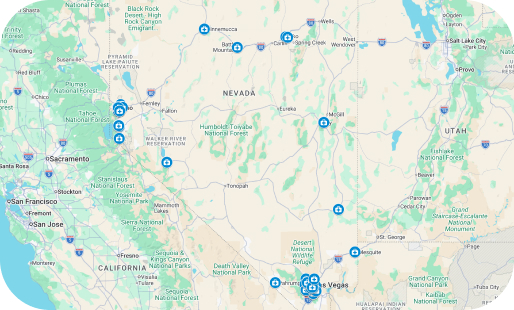
If you do not meet the guidelines
Do you smoke? Quitting can significantly decrease your risk of getting cancer or other lung disease. These free tools and resources can help you quit smoking.

What to know if you qualify for screening
You may have some questions, concerns, and even fears about lung cancer screening. We’re here to provide information and guide you through the process.
What to expect
Lung cancer screening uses a low-dose CT scan to look for signs of lung cancer before you have symptoms. The scan takes less than three minutes, and the whole process usually takes less than 30 minutes.
- During the screening, you’ll lie flat on an exam table, fully clothed, with your arms over your head.
- The table will move through a tube-like scanner (called a low-dose computed tomography, or LDCT scanner) to the starting position.
- You will hold your breath for 5–10 seconds as the table moves through the scanner.
- That’s it! Once the scan is complete, you will get up from the table and be on your way.
- Once your provider receives your results, they will review them with you and discuss next steps.
What if they find something?
The scan will create an image of your lungs that doctors use to look for signs of cancer, called lung nodules. Not all lung nodules are cancer. If lung nodules are found, your doctor may refer you for additional testing, including more scans, biopsy, or surgery.
What will it cost?
Medicare and Medicaid cover lung cancer screening for those who meet the following criteria:
- 50–77 years old
- Smoked within the past 15 years
- 20+ pack-year history
Most employer-based insurance plans cover lung cancer screening using the same criteria, but will continue screening through age 80. Other plans may also cover lung cancer screening. Check with your insurance provider about your specific coverage and out-of-pocket costs.
ThriveNV: Get 1-on-1 support
Navigating cancer screening can be challenging. That’s why ThriveNV offers free, compassionate, trusted guidance. We can help you overcome many barriers to screening, including:
- Finding screening
- No primary care provider
- No insurance
- Co-pays
- Transportation challenges
- Language barriers