Ultra-processed foods and lung cancer: What a large U.S. study means for prevention
01 January, 2026
SHARE


Lung cancer remains the leading cause of cancer death worldwide, and while smoking is the dominant risk factor, it is not the only one shaping who develops the disease. A new large-scale study adds to growing evidence that diet — particularly high consumption of ultra-processed foods — may play an important role in lung cancer risk, with implications for public health prevention efforts.
Researchers analyzed data from more than 101,000 adults enrolled in the Prostate, Lung, Colorectal and Ovarian (PLCO) Cancer Screening Trial, following participants for an average of more than 12 years. They found that people with the highest intake of ultra-processed foods had a 41% higher risk of developing lung cancer compared with those who consumed the least, even after accounting for smoking, overall diet quality, physical activity and other known risk factors.
Ultra-processed foods include items such as lunch meats, sugary and diet soft drinks, packaged breads, snacks, frozen meals and fast food. These products now make up a significant share of the U.S. food supply and are designed to be inexpensive, shelf-stable and highly palatable. From a public health perspective, this matters because ultra-processed foods tend to be high in added sugars, sodium, unhealthy fats and additives, while being low in fiber and protective nutrients found in minimally processed foods like fruits, vegetables and whole grains.
The study found increased risks across major lung cancer subtypes, including both non-small cell and small cell lung cancer. Notably, the association was consistent across age, sex and smoking status, suggesting that diet may influence lung cancer risk even among people who have never smoked.
While the study does not prove that ultra-processed foods cause lung cancer, its findings highlight diet as a potentially modifiable risk factor at the population level. Reducing reliance on ultra-processed foods and increasing access to affordable, minimally processed options could support lung cancer prevention – among many other cancers prevented – as well other chronic disease prevention goals.
For public health advocates and policymakers, the research underscores the importance of food environments, nutrition education and policies that make healthier choices easier — particularly for communities already facing higher cancer burdens.
🔗 Read the full paper: https://thorax.bmj.com/content/80/11/810
This article created with the assistance of AI and edited by NCC staff. This is for informational purposes only. For medical advice or diagnosis, consult a professional.
You May Also Like

Pope Leo XIV’s lung cancer highlights growing number of nonsmokers diagnosed with the disease – and younger people too
10.14.2026
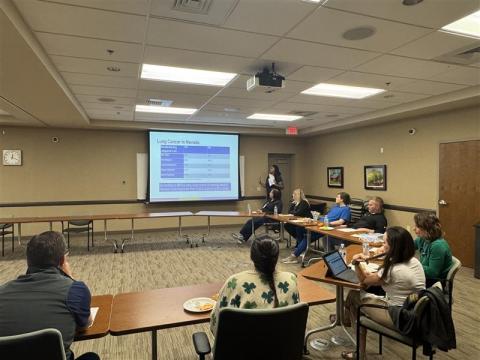
Make lung cancer screening a stronger part of your practice with free, personalized support
10.07.2026
Identifying eligible patients, making referrals and helping people overcome barriers to lung cancer screening takes coordination.
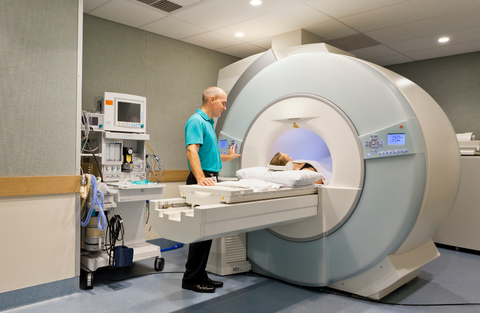
Years after he quit smoking, a lung cancer scan saved his life
08.26.2026
By Paula Span, KFF Health News