Radon is a hidden lung cancer risk. Testing your home is easy and free right now.
01 January, 2026
SHARE


When people think about lung cancer risk, smoking is often the first thing that comes to mind. But there is another major cause that many Nevadans may not realize is present in their own homes: radon.
Radon is a naturally occurring radioactive gas that comes from the ground. You cannot see it, smell it or taste it, but it can build up inside homes, schools and other buildings. Long-term exposure to elevated radon levels is the leading cause of lung cancer among people who have never smoked and the second leading cause overall.
The good news is that radon-related lung cancer is 100% preventable. Testing is the first and most important step.
This January, during National Radon Action Month, Nevadans have an easy opportunity to test their homes at no cost. The University of Nevada, Reno Extension’s Nevada Radon Education Program is offering free short-term radon test kits statewide through Feb. 28 while supplies last.
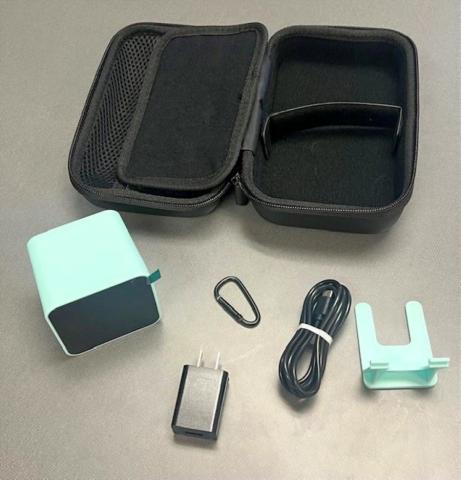
Electronic monitoring systems, which provide more instant results and test for a longer period, are also available through Extension’s lending program, but aren’t meant to replace the test kits.
Testing your home for radon is simple. The short-term test kit is placed in a lived-in area of your home for just three days. After mailing it in, results are typically available within a few weeks. If elevated radon levels are found, proven mitigation methods can reduce radon to safe levels.
Why does this matter for Nevada? Testing data shows that one in four homes tested in the state has elevated radon levels. Lung cancer also takes a heavy toll on Nevadans, claiming more lives each year than any other cancer and affecting women at higher rates than breast cancer.
Radon does not discriminate by age of the home, whether it has a basement or whether you live in northern or southern Nevada. The only way to know your risk is to test.
At Nevada Cancer Coalition, we encourage all Nevadans to take advantage of this free testing opportunity. Knowing your home’s radon level empowers you to protect yourself and your family from a preventable cause of lung cancer.
If mitigation is needed, the Environmental Protection Agency recommends working with a certified radon professional. The Nevada Radon Education Program maintains a list of certified professionals and provides resources to help homeowners understand their options.
Testing is quick. The kits are free. And the information could save lives.
To learn more about radon, testing and mitigation or to find a free test kit location, visit the Nevada Radon Education Program website.
You May Also Like

Pope Leo XIV’s lung cancer highlights growing number of nonsmokers diagnosed with the disease – and younger people too
10.14.2026
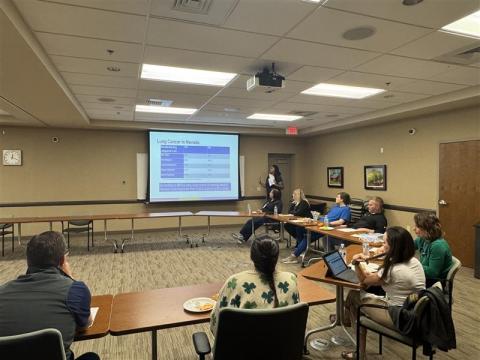
Make lung cancer screening a stronger part of your practice with free, personalized support
10.07.2026
Identifying eligible patients, making referrals and helping people overcome barriers to lung cancer screening takes coordination.
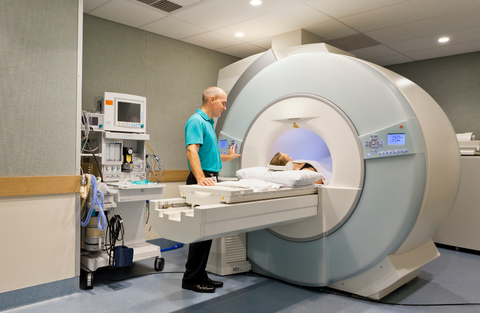
Years after he quit smoking, a lung cancer scan saved his life
08.26.2026
By Paula Span, KFF Health News