NIH Pathways to Prevention Program: Nutrition as Prevention for Improved Cancer Health Outcomes
09 September, 2022
SHARE


Guided by the key questions listed below, speakers in this P2P workshop will assess the scientific evidence on how nutritional interventions affect cancer health outcomes. After the workshop, an independent panel will draft a report on evidence gaps and identify priorities for future research.
- What is the effect of nutritional interventions before cancer treatment in preventing negative treatment outcomes (e.g., effects on dose tolerance, need for hospital care, and survival) in adults diagnosed with cancer who have or are at risk for cancer-associated malnutrition?
- What is the effect of nutritional interventions during cancer treatment in preventing negative treatment outcomes in adults diagnosed with cancer who have or are at risk for cancer-associated malnutrition?
- What is the effect of nutritional interventions on symptoms (e.g., fatigue, nausea and vomiting, appetite, physical and functional status, and quality of life) in adults who will be or are undergoing cancer treatment?
- In adults affected by excess weight or obesity, what is the effect of intentional weight loss before or during cancer treatment in preventing negative treatment outcomes?
- Are nutritional interventions for preventing negative outcomes of cancer treatment cost-effective? What evidence is needed to make the business case for providing nutritional intervention services in outpatient cancer centers?
Access the three workshop recordings here.
You May Also Like

Bringing humanity back to dying: How end-of-life doulas support families
05.29.2026
This guest post was submitted by Chris Ruggiero, a certified end-of-life doula based in Las Vegas.
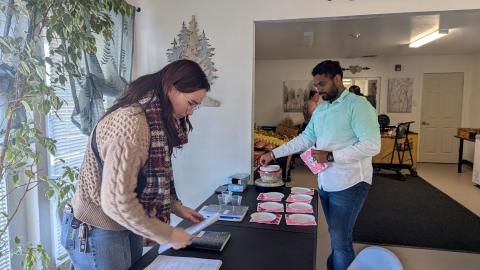
University of Nevada, Reno Expands Dietetics Training Pathways to Strengthen Nevada’s Public Health Workforce
05.19.2026
CELL Series: Understanding the Role of End-of-Life Doulas
02.27.2026
Have you heard about end-of-life doulas, sometimes called death doulas?