Nevada Colorectal Cancer Roundtable
10 October, 2015
SHARE


Register Here
WHAT: The Nevada Colon Cancer Roundtable helps to support and further the National Colorectal Cancer Roundtable 80% by 2018 Initiative. The purpose of this Roundtable is to bring together key stakeholders in Nevada who can make the greatest impact on colorectal cancer through a united effort as a state. The Roundtable is a great opportunity to leverage, expand, and further the great work of the Nevada Colon Cancer Partnership/Nevada Cancer Coalition who will be a central part of the discussion. Discussion and presentations will focus on systems to increase screening, diagnosis and treatment, as well as access throughout the state.
WHO: Speakers already secured include Dr. Richard Wender, MD, Chief Cancer Control Officer of American Cancer Society; Paulo Pinheiro, MD, PhD, of UNLV; and more. Review the full agenda here.
WHEN and WHERE: Friday, August 26, 2016 at Roseman University of Health Sciences in Summerlin, 8:30 a.m. - 3:30 p.m.
GOALS:
- Bring new partners to the table and build a stronger team working towards the 80% by 2018 goal
- Begin a dialogue to determine strategies and identify policies, priorities, and gaps in the system for future work from NCCP and the Colorectal Cancer Roundtable members in the state
You May Also Like

Colorectal Screening and Billing Guides: For Primary Care and GI Specialists
09.30.2026
The Nevada Colorectal Cancer Collaborative developed the tools below to assist physicians in increasing uptake and proper billing of colorectal ca

Bringing health where it matters: Inside Washoe County's Family Health Festivals
07.07.2026
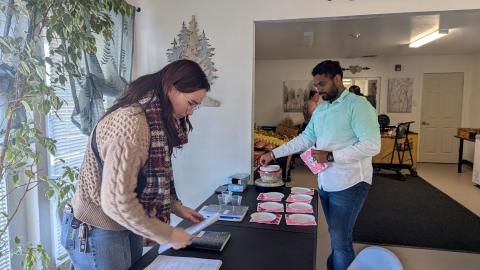
What happens when health care comes to the places where people already live, work and gather?
University of Nevada, Reno Expands Dietetics Training Pathways to Strengthen Nevada’s Public Health Workforce
05.19.2026