Closing Nevada's colorectal cancer screening gap: Why access, not science, is the real problem
05 May, 2026
SHARE


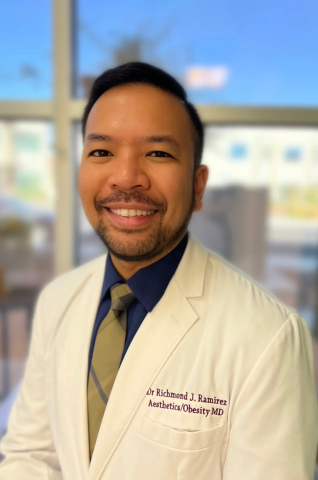
This guest post was submitted by Dr. Richmond Ramirez, board-certified family physician in Las Vegas, Nevada.
As we celebrate Asian American and Pacific Islander Heritage Month in May, I want to reflect on a burden that hits communities like mine harder than most. As a Filipino American physician practicing family medicine in Las Vegas, I see firsthand the toll cancer takes on our community. For Filipino, Chinese, Korean, and Vietnamese individuals, cancer is the leading cause of death, surpassing even heart disease. Yet despite this reality, Asian Americans generally have lower cancer screening rates than compared to the white population.
The data tells a sobering story. According to the American Cancer Society colorectal cancer screening rates among Asian Americans lag well behind the general population with only 41% up-to-date with screening. Compare that to 57% among white Americans. This gap isn't a reflection of our community's commitment to health. It's a reflection of barriers to access.
Here in Nevada, the screening challenge is particularly stark. Thirty-four percent of Nevadans are not up to date with their colorectal cancer screenings, placing our state in the top 3 with the lowest screening rates. This ranking is a reminder that screening access remains a critical public health challenge, not just for Asian Americans, but across our entire state.
In Nevada, the American Cancer Society estimates 1,530 people will be diagnosed with colorectal cancer in 2026, and 580 will die from the disease. But early detection has the power to change that. When colorectal cancer is caught early, patients have a greater than 90% chance of survival. This is why access to screening is so essential.
Yet many in our community remain unscreened. Why?
Because of barriers that have nothing to do with a lack of science and everything to do with access. One in three eligible Americans – over 54 million people – delay or entirely avoid recommended colorectal cancer screening because of the barriers associated with traditional screening methods: inconvenience, discomfort, or the time off from work required that many simply cannot afford to take.
As a physician who has dedicated my career to preventive health and chronic disease management, I've seen firsthand how these obstacles prevent people from accessing lifesaving care. My practice is built on the principle that prevention is everything. When we catch disease early, whether it's high cholesterol, weight-related conditions, or cancer, we change the trajectory of a patient's life. We prevent suffering. We save lives.
But prevention only works if people can actually access it.
For years, I’ve watched patients put off colorectal cancer screening because they dreaded the preparation and the procedure itself. I watched working parents decide they couldn't take the time. I watched people who were otherwise committed to their health avoid screening simply because the barriers felt too high.
This is where innovation becomes a matter of health equity.
One real breakthrough in removing these barriers is Guardant Health's Shield blood test, the first and only FDA-approved blood test for primary colorectal cancer screening for those 45 and older at average risk. Shield is just a blood draw that requires no invasive procedure, no prep or special arrangements.
Shield represents a real opportunity to close Nevada's screening gap. It's accessible, it's easy, and it meets people where they are – with the ability to be done during a routine doctor's visit with just a blood draw.
A testament to the immense need in Nevada, they chose our state to launch their national screening tour, Shield Across America, to help educate Nevadans who have delayed or avoided screening. Everyone deserves access to screening methods that actually fit into their lives.
If you're 45 or older, at average risk for colorectal cancer, and haven't been screened, there’s no excuse to wait with new options that make it easier to get screened. Talk to your doctor about scheduling your colorectal cancer screening and which screening test is right for you.
Early detection works and the science is proven. Now is the moment to act.
This is for informational purposes only. For medical advice or diagnosis, consult a professional.
You May Also Like
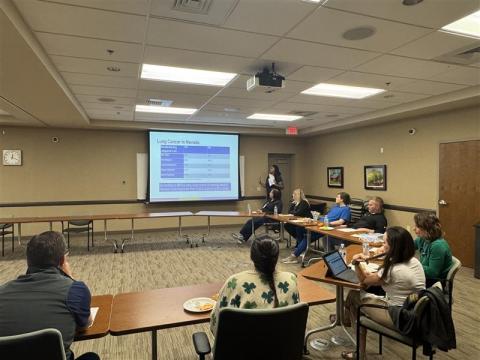
Make lung cancer screening a stronger part of your practice with free, personalized support
10.07.2026
Identifying eligible patients, making referrals and helping people overcome barriers to lung cancer screening takes coordination.

Colorectal Screening and Billing Guides: For Primary Care and GI Specialists
09.30.2026
The Nevada Colorectal Cancer Collaborative developed the tools below to assist physicians in increasing uptake and proper billing of colorectal ca
Colorectal Screening and Billing Guides: For Primary Care and GI Specialists
09.30.2026
The Nevada Colorectal Cancer Collaborative developed the tools below to assist physicians in increasing uptake and proper billing of colorectal ca