Welcome to ThriveNV - Start Here
ThriveNV talks with Amy Thompson, RN, OCN, CN-BN, Survivorship Programs Manager with Nevada Cancer Coalition about how the program is designed to help you and your family throughout your cancer journey.
ThriveNV talks with Amy Thompson, RN, OCN, CN-BN, Survivorship Programs Manager with Nevada Cancer Coalition about how the program is designed to help you and your family throughout your cancer journey.
Nevada has the second-highest rate in the nation of adults who report forgoing needed health care because of cost, according to a new analysis from the State Health Access Data Assistance Center (SHADAC). In 2024, 16.7% of Nevada adults said they did not receive needed medical care due to affordability concerns—well above the national average of 12.4%.
What role can lifestyle medicine play in cancer prevention, treatment and survivorship?
In this CELL Series webinar hosted by the Nevada Cancer Coalition, Dr. Madeline Hardacre, oncology wellness physician at Renown Health's Pennington Cancer Institute, explores the evidence behind lifestyle medicine and its application across the cancer continuum.
This community event offers no-cost health services including colorectal cancer screening, HPV vaccination, mammogram scheduling, and much more.
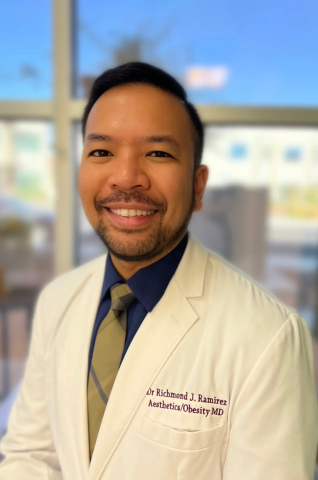
This guest post was submitted by Dr. Richmond Ramirez, board-certified family physician in Las Vegas, Nevada.
This guest post was submitted by Chris Ruggiero, a certified end-of-life doula based in Las Vegas.
The UNR School of Medicine's Rural Outreach Clinic offers vaccines as wells as physicals, lab work, and women's health exams. Spanish translators will be available.Call 775-391-6209 to schedule an appointment. Walk-ins are also welcome until 12 p.m.
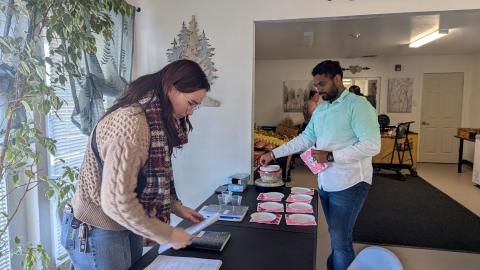
The Southern Nevada Health District provides routine immunizations for age-appropriate vaccines in partnership with Clark County School District through the Family Support Center. No appointment is needed. Call 702-799-0072 for details.
The Southern Nevada Health District provides routine immunizations for age-appropriate vaccines in partnership with Clark County School District through the Family Support Center. No appointment is needed. Call 702-799-0072 for details.