Bringing humanity back to dying: How end-of-life doulas support families
05 May, 2026
SHARE


This guest post was submitted by Chris Ruggiero, a certified end-of-life doula based in Las Vegas.
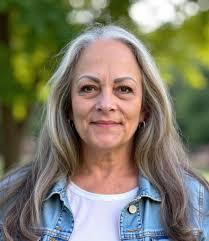
I am a Certified End-of-Life Doula (CEOLD) and the owner of Holding Space Las Vegas. A CEOLD is non-medical practitioner who works alongside hospice or families at end of life. I am specifically trained to guide the dying physically, mentally, emotionally, and spiritually while also caring for the caregiver. Just as a birth doula guides someone into the world, a death doula supports and guides their transition out of this world.
Many of you have probably heard the phrase “death doula” in articles and on social media and said to yourself, “What does that even mean? It sounds a bit ominous.”
I am here to explain.
In the past, families consisted of parents and grandparents living in the same household. We cared for our elders when they were ill, and we were present when they died. Our neighbors came to visit and brought casseroles to feed the weary loved ones. It was a communal event. When a hearse drove down the street, we’d stop whatever we were doing and take a moment to show respect.
Nowadays, the dead are whisked away in innocuous white vans, shielding the rest of us from the inevitable. We’ve been caring for the dying since the beginning of time, but in the last 125 years, we’ve sanitized and outsourced death and turned it into a medical event.
It's not. It is a natural, sacred human event that is meant to be honored.
Years ago, I was a caregiver for my mother during her end-of-life process and know all too well how difficult it can be. My mother was supported beautifully by hospice careers but I can remember still feeling so alone and scared. I was exhausted from worry and uncertainty. I had trouble remembering what the hospice nurse said to do five minutes after she explained it to me. I needed more guidance and gentle support.
Despite how unprepared I was, my mother’s death was gentle and profoundly beautiful. I knew I had found my calling.
The hospice team does an incredible job providing the medical portion and comfort care that is vital to the dying person. They are truly angels. End-of-life doulas (aka death doulas) can provide all of the other practical and nuanced services that I’m sure the nurses would provide if they had the time. Since death doulas are not regulated by insurance, we can provide services unique to the family with no limitation on time. (What we don’t do is “take over.”) We are an extra set of eyes and ears to let hospice know of any changes that occur and fill the gap of care that the families so desperately need.
Some of the practical services we provide include advance care planning, facilitation of a life review, creation of legacy projects, sharing local resources they may need, educating the dying person and their family, and developing vigil plans. (Sometimes, we even walk the dog that may have been a bit forgotten in the chaos that can happen at the end of life.) Death doulas also embrace other modalities to bring peace and comfort to the dying – breath work, sound healing, guided meditation, and reiki. A doula’s presence can provide much needed respite care where – for a moment – a caregiver can exhale and return to their previous role as daughter or spouse knowing that things are being taken care of. This is priceless.
One of the most important things we do is hold space.A death doula meets people where they are at. We listen. We give them a safe space to be in their feelings. We are witnesses without any judgment or expectations. We are advocates for the dying individual and their wishes while also caring for the caregiver.
In a world where everything is digitized, automated, and calculated, death doulas embrace a human-to-human connection in a space and time where it is so very needed. Have the difficult conversations around death and dying with your family and friends. Think about your mortality. And most importantly, live your life joyfully.
You May Also Like
CELL Series: Understanding the Role of End-of-Life Doulas
02.27.2026
Have you heard about end-of-life doulas, sometimes called death doulas?
The Power of Peer Mentoring: Emotional Support for Cancer Survivors and Caregivers
10.07.2024
As we approach World Mental Health Day, recognized on October 10, it's crucial to recognize the emotional challenges faced by cancer survivors and

NIH Pathways to Prevention Program: Nutrition as Prevention for Improved Cancer Health Outcomes
09.23.2022
Guided by the key questions listed below, speakers in this P2P workshop will assess the scientific evidence on how nutritional interventions affec